What is Pelvic Organ Prolapse? Understanding POP and treatment options available
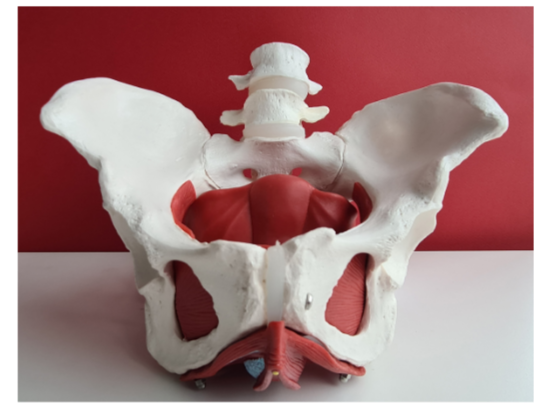
Even if it’s not talked about often, prolapse is common.. but, treatable and manageable with the right approach!
Pelvic organ prolapse (POP) is a condition where one or more of the pelvic organs descend into or outside of the vaginal canal. Think of it as moving from its normal position and pressing or bulging into your vagina. The pelvic organs we’re referring to include the bladder, uterus, and/or rectum. A prolapse can also occur to the small intestines or the urethra. This can sound really scary, I get it! But it is a common and manageable condition.
So, why or how does prolapse even occur?
One reason prolapse can occur is due to loss of integrity of the pelvic floor muscles, or weakness of these muscles. This can be a common change during pregnancy and following childbirth. However, people who have never given birth can have POP too!
Other factors that can cause or impact prolapse may include:
Aging
Hormonal changes (like during perimenopause and menopause – when estrogen drops during these transitions, muscles can atrophy or thin, therefore resulting in potential weakness)
Connective tissue changes or disorders (certain conditions can weaken the connective tissue)
Hysterectomy
Cancer and side effects from cancer treatment
Pelvic floor injuries (such as a levator ani tear or injury)
Altered nerve function (resulting from potential back injuries or surgery, nerve entrapment, etc.)
Certain chronic conditions and even our own habits that we’ve formed over time which put added strain or pressure on our pelvic floor and pelvic organs can also impact or potentially cause POP. Some of these can look like:
Chronic or persistent constipation and straining with bowel movements
Chronic coughing (for example: chronic lung conditions like COPD or emphysema, smoking)
Certain sustained high impact activities
While symptoms can vary greatly from person to person, there are common ones that clients of mine will often report. It’s also important to note that the severity of symptoms do not always represent the degree of prolapse either. What I mean by that is someone with a mild prolapse can have severe or debilitating symptoms, while someone with a more severe or complete prolapse can have very minimal to no symptoms.
Here is a non-exhaustive list of the common signs and symptoms that you may have a pelvic organ prolapse:
Feelings of heaviness, pressure, or fullness in the vagina or pelvic area
Feeling like you are sitting on a ball
A noticeable bulge in the vagina (whether that be by touch or seeing the bulge itself)
Bladder or bowel leakage, aka incontinence
Difficulty emptying the bladder – feeling like you have to push or strain to get your urine stream going or completed
Constipation or discomfort with bowel movements
Having to insert a finger into the vagina to pass stool, or having to put pressure on the perineum to help have bowel movements
Pain during sex
Difficulty reaching orgasm
Back pain or pelvic pain
A feeling of looseness in the vagina, or noticing things just don’t feel the same down there
Before we jump into treatment and management options (of which there are many thankfully!) – I’ll give you a quick overview of the grades of pelvic organ prolapse. POP is classified into different grades based on severity and amount of descent into or out of the vaginal space. Remember though, the grade does not always represent how you feel. We will always treat and recommend strategies to manage prolapse based on your specific goals, needs, and symptoms.
Grade 1: The organ has dropped slightly but remains inside the vaginal canal.
Grade 2: The organ has descended closer to the vaginal opening.
Grade 3: The organ is bulging at or beyond the vaginal opening.
Grade 4: The organ is completely outside the vaginal canal.
Treatment options for Pelvic Organ Prolapse
As we already mentioned, there are various treatment options for prolapse, ranging from lifestyle changes and pelvic floor therapy to surgical interventions. The decision for which treatment approach may be best can depend on the severity and impact of the prolapse on your quality of life.
Pelvic Floor Physiotherapy Treatment for Pelvic Organ Prolapse:
There is strong evidence that supports non-surgical approaches to managing and improving prolapse-related symptoms, particularly pelvic floor physiotherapy and pelvic floor muscle training. While surgical options are available, and in some instances are the next best option, many individuals can find relief and improve their prolapse without going that route. It’s also important to highlight that the clinical practice guidelines set for managing pelvic organ prolapse emphasize pelvic floor physiotherapy and/or pessary use as the first line treatment approach before looking at things like surgery.
Pelvic floor physiotherapy can focus on strengthening, retraining, or releasing the pelvic floor muscles to provide better support for the organs.
Again, this can look different for each person, but some of the things that we may include during your physiotherapy sessions include:
Targeted exercises and pelvic floor muscle training: this could look like strengthening or relaxing specific muscles to improve support and reduce symptoms. I’ve said it before and I’ll say it again, Kegels are not always the answer! Learning how to use the pelvic floor muscles in a coordinated and efficient matter is where the magic happens.
Postural training: working on the whole body to ensure you are reducing strain on the pelvic floor.
o Alignment and positioning
o Foot, hip, and back mechanics and mobility
o Thoracic spine/mid-back mobility
o Upper body mobility and training – shoulder stability and movement with the entire body
Breathing techniques: helping to manage intra-abdominal pressure and how our breath and pelvic floor muscles work with our entire core is essential to managing prolapse and the symptoms associated with them
Teaching you pressure-reducing positions for symptom management and relief
Lifestyle modifications: addressing factors like constipation, positioning for bowel movements, chronic coughing, bladder re-training, adding fibre to your diet and ensuring adequate hydration
Using exercise such a yoga and Pilates to build strength and support
Recommendation of a pessary, which is a removal device inserted into the vagina to help provide support; or recommending other external support devices
Now, you might be wondering, what the heck does managing intra-abdominal pressure mean? Let’s discuss it, because it is such a huge part of how we help improve pelvic organ prolapse!
Intra-abdominal pressure refers to the pressure inside the abdominal cavity, which can directly impact the pelvic floor. When this pressure is too high, due to improper breathing, straining, or poor posture it can contribute to prolapse symptoms.
If you’re currently dealing with what you think may be a prolapse: have you ever noticed that certain positions, activities, or even times during your cycle can aggravate your symptoms even more? It’s likely that those activities are increasing your intra-abdominal pressure (either correctly or at incorrect times), which will put more strain or pressure on your pelvic organs and pelvic floor. We want to learn how to manage this pressure effectively to help you get relief!
Here’s a few ways we may go about that during physiotherapy sessions:
Proper breathing techniques: Engaging in diaphragmatic breathing, also known as deep belly breathing, helps distribute pressure evenly and prevents excess strain on the pelvic floor.
Engaging the core correctly: Instead of forcefully sucking in the stomach, learning to activate the deep core muscles, including the transverse abdominis, can provide better pelvic support.
Avoiding excessive straining: Straining during bowel movements or heavy lifting increases pressure on the pelvic organs, so incorporating a fiber-rich diet and using proper lifting mechanics is essential.
Postural awareness: Standing, sitting, and moving with some focus placed on your alignment can help reduce downward pressure on the pelvic floor, promoting better overall support. We take a look at how you are moving and your patterns to determine if any postural shifts or changes can help you decrease symptoms (whether that’s with daily tasks or during exercise).
Final Thoughts (for this blog, anyways!):
Dealing with pelvic organ prolapse can feel overwhelming. It’s important to remember that you’re not alone! Prolapse is a highly manageable condition. Although it may take some time to get there and have things under control, you can successfully improve your symptoms and quality of life through proper treatment, education, and finding the right support team!
If you suspect you have a prolapse, reaching out to a pelvic health physiotherapist can be the first step towards feeling better and regaining confidence in your body.
Have questions or wondering where to start? Reach out to me and let’s discuss what direction and guidance are best for you!
I’ll meet you right where you’re at, either in the comfort of your home or virtually.