Understanding Diastasis Recti: What It Is, How to Check for It, and What to Do Next
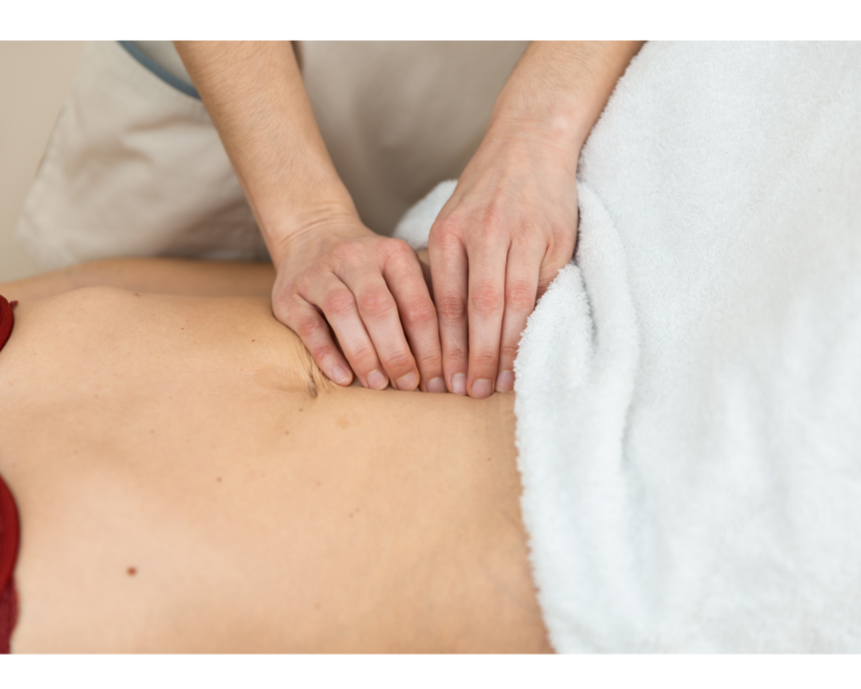
Let’s break down what diastasis recti actually is, why it happens, and what you can do about it - starting today.
If you’ve recently had a baby, or are currently pregnant, you may have heard the term diastasis recti. Maybe you’ve noticed a gap or bulge in your abdomen when sitting up, or your core just doesn’t feel as strong or coordinated as it used to. If any of this sounds familiar, you’re not alone. And most importantly, you’re not broken!
Let’s break down what diastasis recti actually is, why it happens, and what you can do about it.
What is Diastasis Recti?
Diastasis recti, also known as DRA, is the “separation” of the abdominal muscles along the midline, where a connective tissue called the linea alba holds the left and right sides of your rectus abdominis muscle together. This is commonly caused by the growing pressure and stretch during pregnancy, but it can also occur in people who have never been pregnant.
You’ll notice I put “separation” there in quotations… that’s intentional. What’s actually happening, and how I like to describe it to clients I see for DRA, is a thinning of the tissue (the linea alba).
Here’s the good news: having thinning in this tissue isn’t automatically a problem. It’s not about the size of the gap only. What I am concerned about and focused on in determining the best course of action for your rehab or other treatment approaches is how well the core and surrounding systems are functioning and tolerating load.
To clarify a bit about what that means…
Okay, so we’ve determined you have a gap. BUT, are you experiencing any symptoms when doing tasks (like getting in and out of bed, lifting your baby or children, working out)? If so, to what extent are those symptoms occurring – like leakage, pain, or feeling unstable. Maybe it’s not so much that the gap is there, but how much pressure we are building during certain activities that then affects how you are engaging and using your core and other supporting muscles.
Keep reading and we’ll get into more about this further down in the blog and how we can start building that control back.
Diastasis Recti During Pregnancy
As your baby grows, your abdominal wall naturally stretches to make space. That stretch often includes a thinning and widening of the linea alba we talked about earlier. This is a completely normal part of pregnancy anatomy.
During this time, some people notice doming or bulging of the belly during movement, along with symptoms like low back pain or pelvic floor issues. Awareness is key here, not fear or avoidance. With the right guidance, we can adapt movement and build strategies that support your core as it changes.
Does seeing a bulge automatically mean you have to stop doing that activity? Such a common question I’ll get, and the answer really depends! We would investigate potential reasons for the “bulge” with that movement: are you compensating somehow, and if so, is it possible to modify at all depending on where you are at in your pregnancy. We also want to look out for any other symptoms that may be occurring along with the bulge – is there any pain or discomfort, leakage, heaviness or pressure happening? All these factors come into play with determining whether we need to modify an activity or provide additional supports to continue.
The most important thing to remember when it comes to diastasis during pregnancy is that it is a completely normal physiological adaptation. It does not necessarily determine if you will and how severe any diastasis may be postpartum. Nor does it need to be something you should be fearful of.
Postpartum Diastasis: What to Watch For
After baby arrives, your body begins the process of healing and reconnecting. But for some people, that midline tissue remains softened or lacks tension and support, which can lead to lingering symptoms such as:
A visible bulge or “coning” when sitting up or lifting
Core weakness or instability
Low back or pelvic pain
Pelvic floor dysfunction (incontinence - bladder or bowel leakage, pelvic pressure or heaviness, etc.)
It’s important to know that diastasis recti doesn’t always go away on its own - and that’s okay. With the right support, your core can become stronger and more functional, even months (or years!) postpartum.
How We Assess for Diastasis Recti
As a pelvic health physiotherapist, my approach is always holistic. When assessing for diastasis, I’m not just measuring a gap with my fingers. I’m looking at:
Width and depth of the separation
Tension and quality of the linea alba
Core coordination – how your abdominal wall responds to pressure and loading
Breathing, posture, and pelvic floor engagement
Every body is unique, and your rehab plan should be too.
How to Perform a Simple Self-Check
Curious if you might have a diastasis? You can do a basic self-assessment at home. Here’s how:
Lie on your back with your knees bent and feet flat.
Place your fingers just above your belly button, pointing downward.
Gently lift your head and shoulders just off the ground, like a tiny crunch.
Feel for a gap between the left and right sides of your abdominal muscles. Note the width (how many fingers fit) and the depth (how far they sink in).
Try this in a few spots - above, at, and below the belly button.
**Remember: This is just a rough check-in, not a diagnosis. And it doesn’t tell us how your core is functioning, which is the most important part.
Rehab Approaches: What Actually Works
The best treatment for diastasis recti focuses on improving function, not just “closing the gap”. That includes:
Breathwork and intra-abdominal pressure management
Core and pelvic floor coordination
Postural awareness and daily movement strategies
Gradual strength building that supports your goals
Rather than avoiding certain movements altogether (like crunches or planks), we work on modifying and progressing them based on your current level of function. The goal is not restriction, it’s building your confidence back up. You deserve to feel strong, supported, and safe in your body again. Taking a full body and whole person approach to creating a treatment plan for each individual should be prioritized. I also always take into account where you are at emotionally, mentally, and physically. Sleep deprivation, nutrition and hydration habits, job satisfaction, support, and so many other factors will determine where we start and how we choose the best treatment approach for you!
What About Surgical Repair?
While most cases of diastasis recti can be supported through physiotherapy and functional rehab, there are situations where surgical repair is considered - and that’s completely valid.
Surgery is typically considered when:
There is a significant abdominal separation that hasn’t improved with conservative rehab
There is associated hernia (such as an umbilical or ventral hernia)
The abdominal wall lacks tension and causes ongoing symptoms like pain, instability, or pelvic floor dysfunction
An individual chooses surgery for personal or aesthetic reasons that are meaningful to them
In these cases, the procedure is usually called an abdominoplasty or “tummy tuck,” and may be combined with hernia repair if needed.
What’s important to emphasize:
Choosing surgery doesn’t mean you’ve failed at rehab.
Some people do everything right and still experience symptoms that impact their quality of life. Others may simply feel that their core doesn’t feel like theirs anymore, and that’s a valid reason too.
Physiotherapy plays a valuable role both before and after surgery - helping you prepare your body for a smoother recovery, and restoring movement, strength, and confidence afterward.
When to Reach Out for Help
You don’t need to be in pain to benefit from support. Reach out if:
You’re unsure if you have diastasis and want a professional check
You’re experiencing symptoms that affect daily life (core weakness, leakage, pain, etc.)
You want guidance for returning to exercise safely
You’ve been told to “just wait it out” and feel like that’s not cutting it
How WellNest Physiotherapy Can Help
At WellNest, I bring holistic pelvic health physiotherapy right to your home - whether you’re in the early days of postpartum or months or years down the road.
You’ll get one-on-one care that’s comfortable, compassionate, and built around your needs. Together, we’ll create a plan that fits your life and helps you feel strong and supported from the inside out.
Final Thoughts on another blog post..
Diastasis recti is a common part of pregnancy recovery, and there’s no one-size-fits-all path to healing. Whether your journey includes functional rehab, pelvic floor specific interventions, or even surgical repair, know this: you’re not broken, and you deserve support that meets you where you are.
Diastasis recti is common, treatable, and nothing to be ashamed of. Your core is resilient, and with the right support, it can absolutely heal and thrive.
If you’re ready to reconnect with your body and feel strong in your core again, I’m here to help - right from the comfort of your home. Book a mobile physiotherapy assessment or let’s set up a discovery call to get started.